

Energy Fiji Limited’s proposal to secure approximately FJ$508 million in financing for a major power sector transformation represents one of the country’s most significant infrastructure initiatives in recent years and signals the scale of investment required to modernise Fiji’s electricity network.
The proposed financing forms part of the Fiji Energy Transformation Project, which is being prepared with support from the World Bank. According to project documents released in August, the programme is expected to go before the World Bank Board in May 2027, with Fiji’s Ministry of Finance acting as borrower and Energy Fiji Limited and the Ministry of Public Works among the implementing agencies.
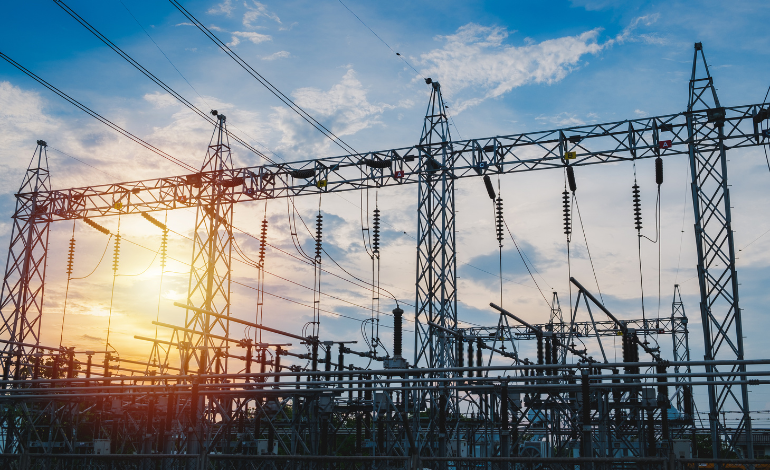
While Fiji has long been recognised as one of the Pacific’s leaders in renewable electricity, much of the existing hydro-based generation system now requires complementary investment in transmission, distribution and newer renewable technologies. The proposed programme would support grid upgrades, utility-scale solar generation, battery energy storage and technical reforms designed to encourage greater private sector participation in renewable energy projects.
For business, the implications extend well beyond the electricity sector.
Reliable power remains fundamental to manufacturing, tourism, food processing, commercial agriculture and digital services. As Fiji’s economy expands and electricity demand continues to grow, the resilience and capacity of the national grid will increasingly influence investment decisions.
The project also presents opportunities for Australian companies with expertise in electrical engineering, renewable energy, battery storage, transmission systems, environmental consulting and project management. Australian firms have been active participants in infrastructure development across the Pacific, and Fiji’s energy transition is likely to generate further demand for specialist technical services.
The World Bank’s preliminary assessment also highlights the complexity of the undertaking. Environmental and social risks have been classified as substantial because infrastructure development may affect customary land, biodiversity-sensitive areas and communities in parts of Vanua Levu and Taveuni. Careful stakeholder engagement and environmental management will therefore be central to successful delivery.
Beyond the financing itself, the project reflects Fiji’s broader ambition to reduce reliance on imported fossil fuels while improving energy security and supporting economic growth. For investors, it is another indication that infrastructure, climate resilience and clean energy will remain at the centre of Fiji’s development agenda over the coming decade.