


Fiji is tracking 57 tourism investment projects worth about $2.1 billion, with around 5,600 hotel rooms in the pipeline. Deputy Prime Minister and Tourism and Civil Aviation Minister Viliame Gavoka released the figures at the opening of the Fiji Hotel and Tourism Association’s HOTEC trade show in Nadi in October, urging developers to source more of what they need from Fiji and neighbouring markets.

Fiji Tourism Minister Viliame Gavoka
Gavoka said 19 of the projects, representing 1,460 rooms, were already under construction. Nadi accounted for 19 of the 57 projects in the wider pipeline. The projects under construction provide a clearer indication of near-term demand, while the full pipeline shows the scale of potential orders if the remaining developments proceed.
“Every one of those rooms has to be built, furnished, equipped and supplied,” Gavoka told exhibitors. “Suppliers, that is your market.”
The two-day show at Crowne Plaza Fiji Nadi Bay Resort and Spa drew exhibitors from Australia, New Zealand and New Caledonia, as well as Canada, Japan and the United States. Gavoka encouraged developers and operators to buy from Fijian and regional businesses where possible. He said shorter supply routes could reduce the carbon footprint of purchases and keep more visitor spending with farmers and small suppliers in the region.
The construction phase offers work for builders, fit-out firms and equipment suppliers. Once properties open, hotels need regular deliveries of food, cleaning supplies and other operating essentials, alongside maintenance and technical services. A furniture supplier may bid for a large opening order, while a produce grower or distributor needs the volume and delivery reliability to supply a hotel week after week.
Fiji recorded 95,970 visitor arrivals in September, its highest total for that month, including 46,302 from Australia. That demand helps explain the interest in adding rooms. The pace of construction and opening dates will determine when suppliers see orders. In Nadi, where a third of the projects are concentrated, the sequence of developments will matter to businesses deciding how much inventory, labour or production capacity to commit.
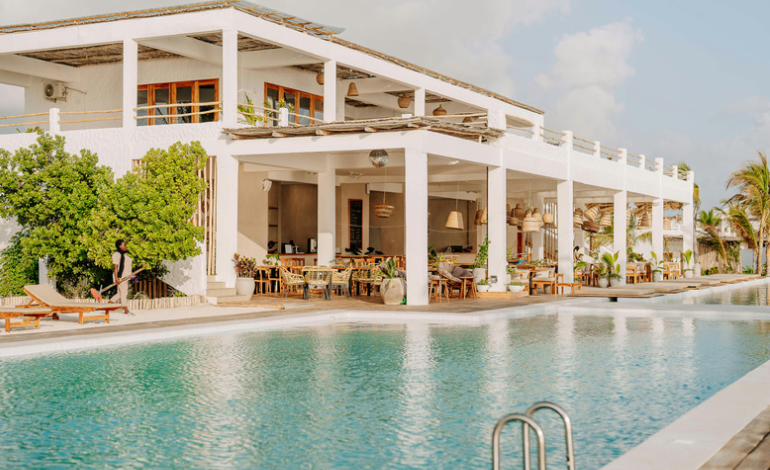
Image: Representative picture