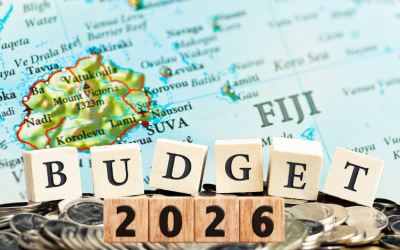


Fiji’s macroeconomic outlook is entering a more cautious phase, with global institutions signalling that the post-pandemic recovery is losing momentum even as underlying vulnerabilities persist.
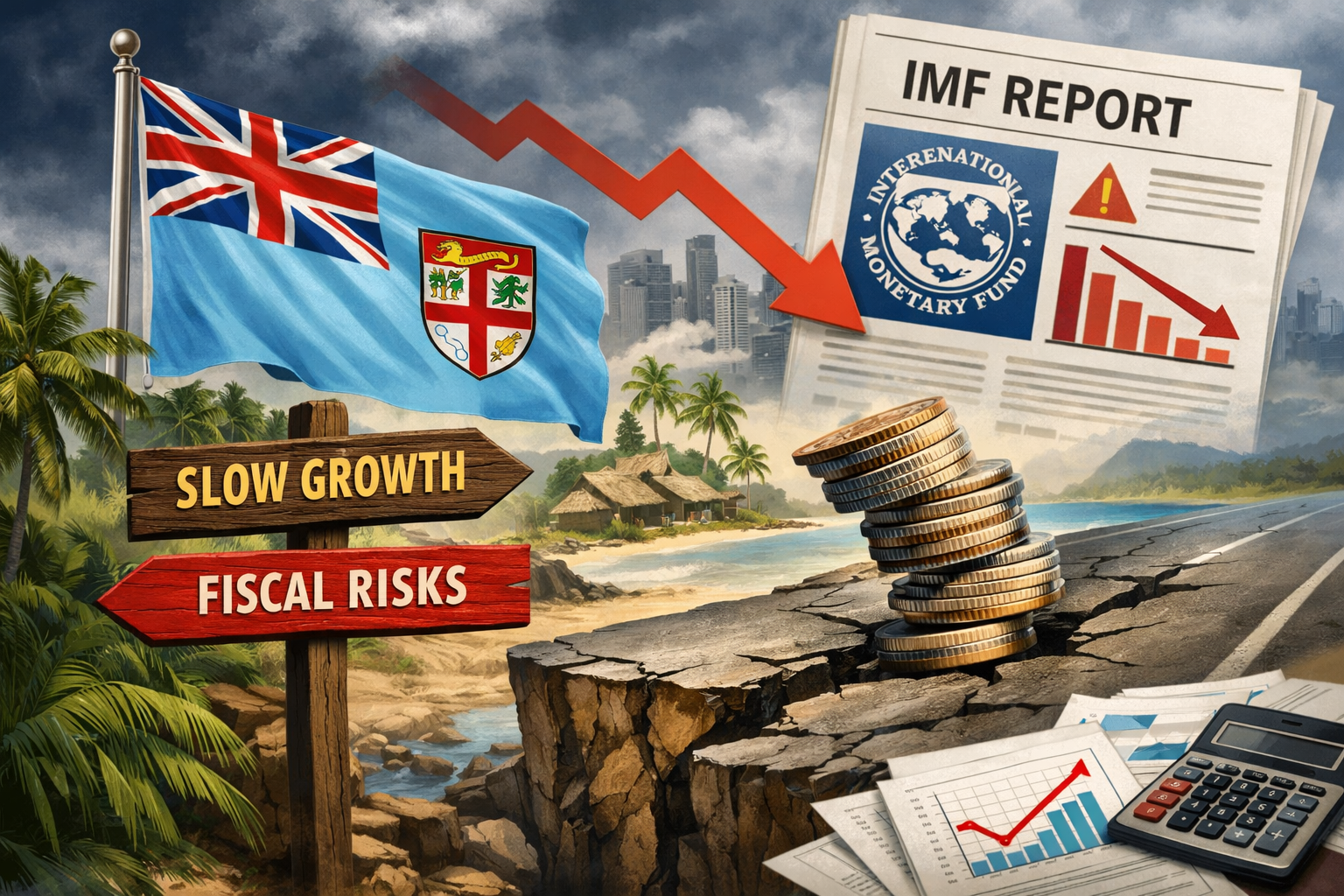
The International Monetary Fund’s latest assessment indicates that Fiji’s growth, which rebounded strongly to around 3.7 per cent in 2024, is expected to slow to about 2.6 per cent in 2025 and remain below its pre-pandemic trend over the medium term.
This moderation reflects a combination of softer external demand, plateauing tourism earnings, and structural bottlenecks. The IMF has also flagged downside risks linked to global trade tensions, declining foreign inflows, and Fiji’s continued exposure to climate-related disruptions.
Fiscal pressures remain a central concern. While consolidation efforts have reduced the deficit, public debt remains elevated at around 80 per cent of GDP, limiting fiscal space. The IMF has urged continued “growth-friendly” fiscal tightening, alongside a shift toward capital expenditure and improved revenue mobilisation.
Inflation dynamics present a mixed picture. Recent data shows periods of deflation driven by falling food and transport prices, alongside short-term monthly increases, reflecting volatility in global commodity markets.
Beyond cyclical factors, structural issues continue to weigh on Fiji’s outlook. These include labour shortages, infrastructure gaps, and constraints in productivity growth. The IMF has emphasised reforms in transport, utilities, and digital connectivity as critical to unlocking higher long-term growth.
Climate risks further complicate the macroeconomic picture. Long-term projections suggest that sea-level rise alone could impose economic losses averaging 1.8 per cent of GDP annually, underscoring the need for sustained adaptation investment.
Taken together, the assessments from global agencies present a consistent narrative: Fiji’s economy is stabilising after a strong rebound, but faces a more constrained and uncertain growth trajectory. The challenge now lies in translating fiscal discipline and structural reform into sustained economic resilience.