


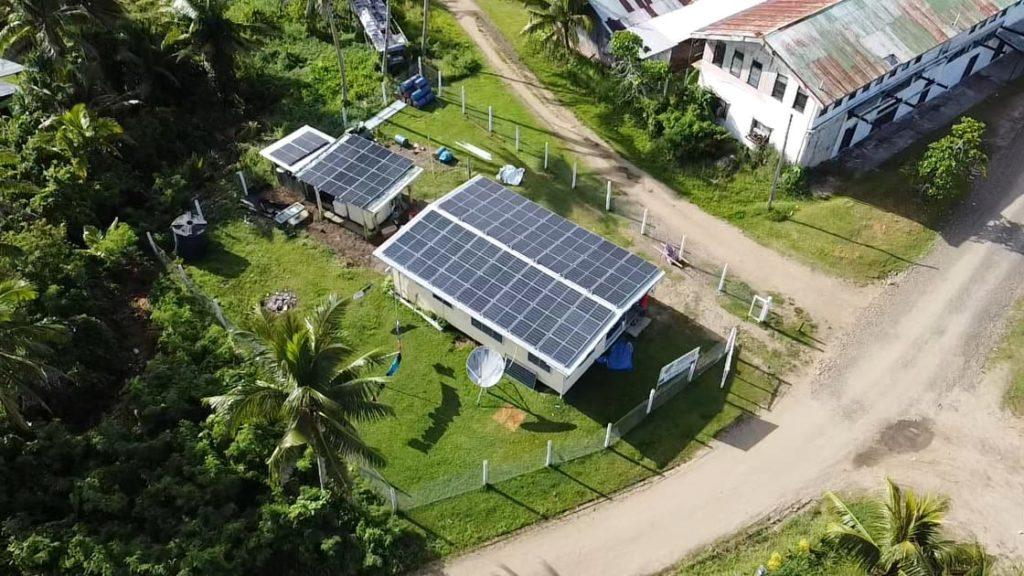
Climate resilience is no longer a parallel policy track in Fiji. It is increasingly shaping the country’s core economic strategy, influencing how infrastructure is financed, designed and delivered.
As one of the Pacific’s most climate-exposed economies, Fiji is facing mounting pressure to ensure that new investments are not only growth-oriented but also durable in the face of rising sea levels, stronger cyclones and unpredictable weather patterns. This shift is becoming visible across sectors, from transport and energy to tourism and urban development.
Infrastructure planning is now being reframed through a resilience lens. Roads, ports and public utilities are being assessed not just for capacity and cost, but for their ability to withstand climate shocks. Coastal protection measures, elevated construction standards and disaster-ready design features are becoming more common in project planning.
The economic implications are significant. Tourism, which remains a central pillar of Fiji’s economy, is particularly exposed. Resorts, airports and transport links are often located in coastal zones, making them vulnerable to storm surges and erosion. Ensuring their long-term viability has become a priority not only for operators but also for policymakers and insurers.
Agriculture is also being reshaped by climate considerations. Changing rainfall patterns and extreme weather events are affecting crop yields, prompting renewed focus on irrigation, crop resilience and diversification.
Fiji’s response has increasingly relied on partnerships with development agencies and bilateral partners, including Australia and multilateral lenders such as the Asian Development Bank and the World Bank. Climate-linked financing is becoming a major component of infrastructure funding, with projects often tied to sustainability and resilience benchmarks.
At the same time, investors are placing greater weight on environmental, social and governance standards. Projects that fail to meet resilience criteria risk higher financing costs and long-term operational vulnerabilities.
However, the transition is not without challenges. Building resilient infrastructure often involves higher upfront costs, placing additional strain on public finances already managing debt and development priorities.
For Fiji, the task ahead lies in converting climate ambition into consistent implementation. The country has positioned itself as a vocal advocate on global climate issues. The next phase will be ensuring that resilience is embedded across every major investment decision.
In the Pacific context, Fiji’s approach may well serve as a test case for how small island economies align climate realities with economic growth.