


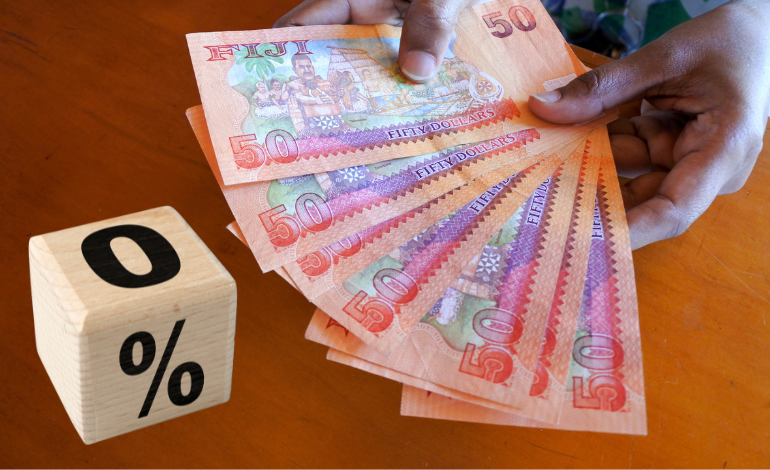
Fiji’s inflation rate has eased to zero percent, offering a measure of cost relief for households and businesses after several years of price pressures driven by global supply disruptions, fuel costs, and post-pandemic volatility.
FBC News reported that the stabilisation in inflation comes as Fiji’s economic outlook for 2026 remains anchored around a three percent growth target. For businesses, the shift is significant. Lower inflation can support consumer spending, stabilise operating costs, and improve planning confidence, particularly for sectors sensitive to price volatility such as retail, transport, and food distribution.
Inflation has been a major challenge for Fiji’s economy in recent years. Higher global freight costs and imported inflation affected Fiji sharply due to the country’s dependence on imported fuel, construction materials, and many consumer goods. For businesses, this translated into tighter margins and increased uncertainty.
A zero inflation outcome does not automatically mean prices are falling, but it indicates that the pace of increase has slowed, providing a more stable environment. For policymakers, it also supports the broader objective of sustaining economic recovery without undermining purchasing power.
However, businesses and economists note that inflation trends must be assessed alongside wage dynamics, productivity, and interest rates. If inflation remains low, it could create room for improved investment confidence, although credit conditions and global economic trends will still influence business behaviour.
The three percent growth target for 2026 reflects expectations of continued recovery in tourism, steady performance in construction and services, and gradual strengthening in domestic demand. It also assumes that Fiji avoids major shocks such as extreme weather events, which remain an ongoing risk for a climate-exposed economy.
For exporters, inflation stability can help maintain competitiveness, while for importers and retailers, it can reduce pressure to constantly adjust pricing.
Fiji’s inflation result will be closely watched in the months ahead, particularly as the government continues to focus on fiscal discipline, private sector-led growth, and investment promotion. For the business community, the key question will be whether stability translates into stronger demand, better access to credit, and sustained consumer confidence.