

Fiji’s ambitious plans to modernise and expand its maritime infrastructure are drawing attention across the Pacific, but questions are emerging over how the country will finance and deliver a proposed port development programme estimated at around FJ$4 billion.
The proposed upgrades are being framed as essential to Fiji’s long-term economic strategy. As the country seeks to strengthen its role as a regional transport, logistics and tourism hub, pressure has been mounting on existing port infrastructure, particularly at Suva and Lautoka. Increased trade volumes, larger cruise vessels, rising tourism numbers and regional shipping demands have all intensified calls for modernisation.
Government officials have indicated that improved port infrastructure would support Fiji’s broader economic ambitions by enhancing supply chain resilience, improving freight efficiency and positioning the country as a stronger Pacific gateway for trade and trans-shipment.
However, the scale of the proposal has also prompted debate about affordability, sequencing and investment priorities. Analysts and industry observers have noted that a FJ$4 billion infrastructure programme would represent one of the largest capital undertakings in Fiji’s history.
Concerns have been raised over debt exposure and whether Fiji can attract sufficient private sector or development finance participation to reduce pressure on public finances. Questions have also emerged over how quickly such large-scale projects could realistically proceed given global construction cost inflation and supply chain constraints.
Regional infrastructure competition is another factor. Pacific nations are increasingly investing in ports, logistics and transport connectivity as governments seek to attract trade, tourism and strategic investment. Fiji’s geographic location gives it advantages, but maintaining competitiveness will require sustained investment and careful execution.
The discussion also reflects a broader trend across the Pacific, where infrastructure projects are becoming intertwined with geopolitical and economic considerations. Australia, New Zealand, China, multilateral lenders and development agencies are all increasing their involvement in Pacific infrastructure financing.
For Fiji, the challenge will be balancing ambition with sustainability. Modern ports are critical for economic growth, tourism and regional integration, but financing and governance will likely determine whether the proposed transformation becomes a long-term economic asset or a fiscal burden.
The coming months are expected to provide greater clarity on financing models, project staging and potential international partnerships linked to the proposed port expansion programme.
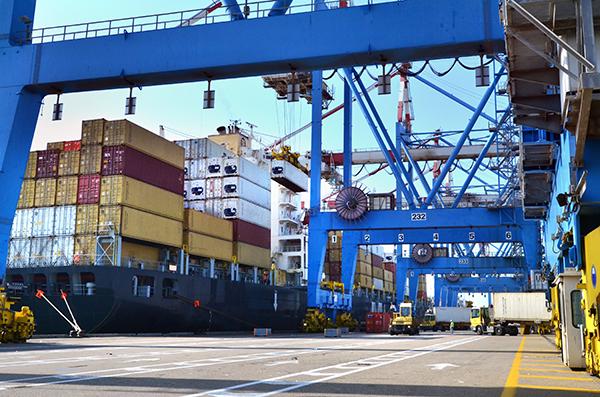
Main picture: Representative image